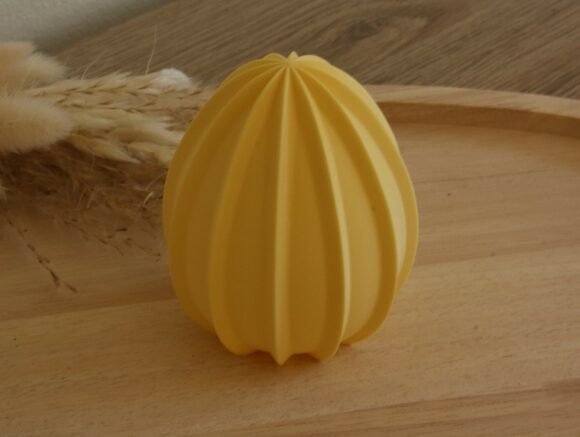
Star Egg 3D Printing: A Comprehensive Guide to 3MF and STL Files
Welcome to the world of 3D printing, where creativity meets technology. Today, we're diving into the Star Egg 3D Printing File, a unique and versatile model that can add a touch of elegance and innovation to your projects. Whether you're a seasoned 3D printing enthusiast or just starting out, this guide will help you understand how to best use the 3MF and STL files provided for the Star Egg.
Understanding the 3MF and STL Formats
The Star Egg 3D Printing File comes in two formats: 3MF and STL. Each format serves a different purpose and is compatible with various slicers, making it easier for you to choose the one that fits your setup.
3MF File: Optimized for Bambu Slicer
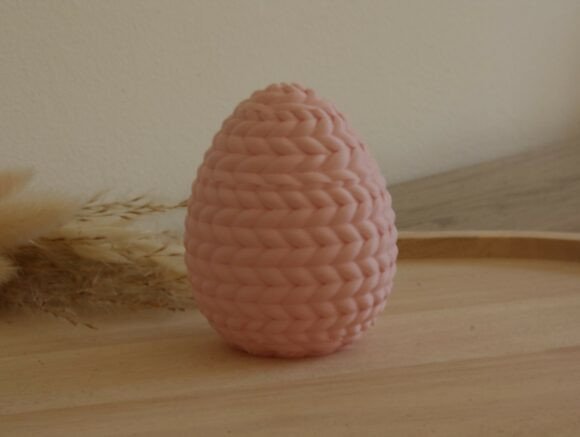
The 3MF file is specifically tailored for the Bambu Slicer. This format includes all the necessary print settings, ensuring that your prints come out as close as possible to the photos you see. The 3MF file is a powerful tool for those who want a seamless, hassle-free printing experience. Just load the file into Bambu Slicer, and you're ready to go!
STL File: Versatile and Customizable
The STL file, on the other hand, is a more universal format that can be used with a wide range of slicers, including Anycubic Slicer, PrusaSlicer, CuraSlicer, OrcaSlicer, and many others. While the STL file doesn't come with pre-configured settings, it offers the flexibility to adjust and fine-tune your print parameters according to your specific needs and preferences. This makes it ideal for users who like to experiment and optimize their prints.
Print Settings and Environmental Considerations
When using the 3MF file, the print settings are already set to produce high-quality results. However, it's important to note that external factors such as room temperature, filament moisture, and the print bed can affect the final outcome. Always ensure that your 3D printing environment is stable and controlled to achieve the best results.
For the STL file, you'll need to configure the print settings yourself. This might seem daunting at first, but it's a great opportunity to learn and improve your 3D printing skills. Start by setting the basic parameters such as layer height, infill density, and print speed. As you gain more experience, you can fine-tune these settings to get the exact look and feel you desire.
Scaling and Model Dimensions
The Star Egg 3D Printing File is designed with flexibility in mind. You can scale the model freely to create custom sizes, whether you need a small decorative piece or a larger, more prominent display. The original dimensions of the model are 63.94 mm × 63.94 mm × 75.38 mm.
However, it's important to be cautious when scaling the model too small. Extremely thin lines may not print well if the nozzle is not suitable for such fine details. To avoid any issues, it's recommended to print the model at its original size, which has been tested and proven to work flawlessly.
Material Choices and Safety
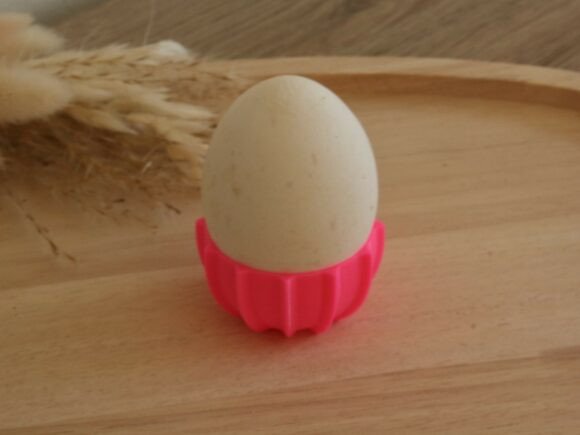
Choosing the right material is crucial for the success of your 3D print. For the Star Egg 3D Printing File, PETG is highly recommended, especially if the print will come into contact with food or be used in warm environments. PETG has a higher softening temperature tolerance compared to standard PLA, making it more durable and food-safe.
If you don't have specific requirements for heat resistance or food safety, PLA is also a good choice. PLA is easy to print with and produces clean, detailed results. Just make sure to store your PLA filament in a dry place to prevent moisture absorption, which can lead to poor print quality.
Tips for Successful Prints
- Level the Bed: Ensure your print bed is perfectly level before starting. An uneven bed can cause warping and adhesion issues.
- Check Filament Quality: Use high-quality filament to avoid clogging and inconsistent extrusion. Cheap filaments can often lead to print failures.
- Monitor the Print: Keep an eye on the first few layers of your print. If you notice any issues, pause the print and make adjustments as needed.
- Post-Processing: After the print is complete, remove any support structures carefully. You can also sand and polish the surface for a smoother finish.
Final Thoughts
The Star Egg 3D Printing File is a fantastic addition to any 3D printing project. Whether you're using the 3MF file for a straightforward, high-quality print or the STL file for a more customized approach, the Star Egg is sure to impress. Remember to consider the environmental conditions, material choices, and print settings to ensure the best possible results. Happy printing!